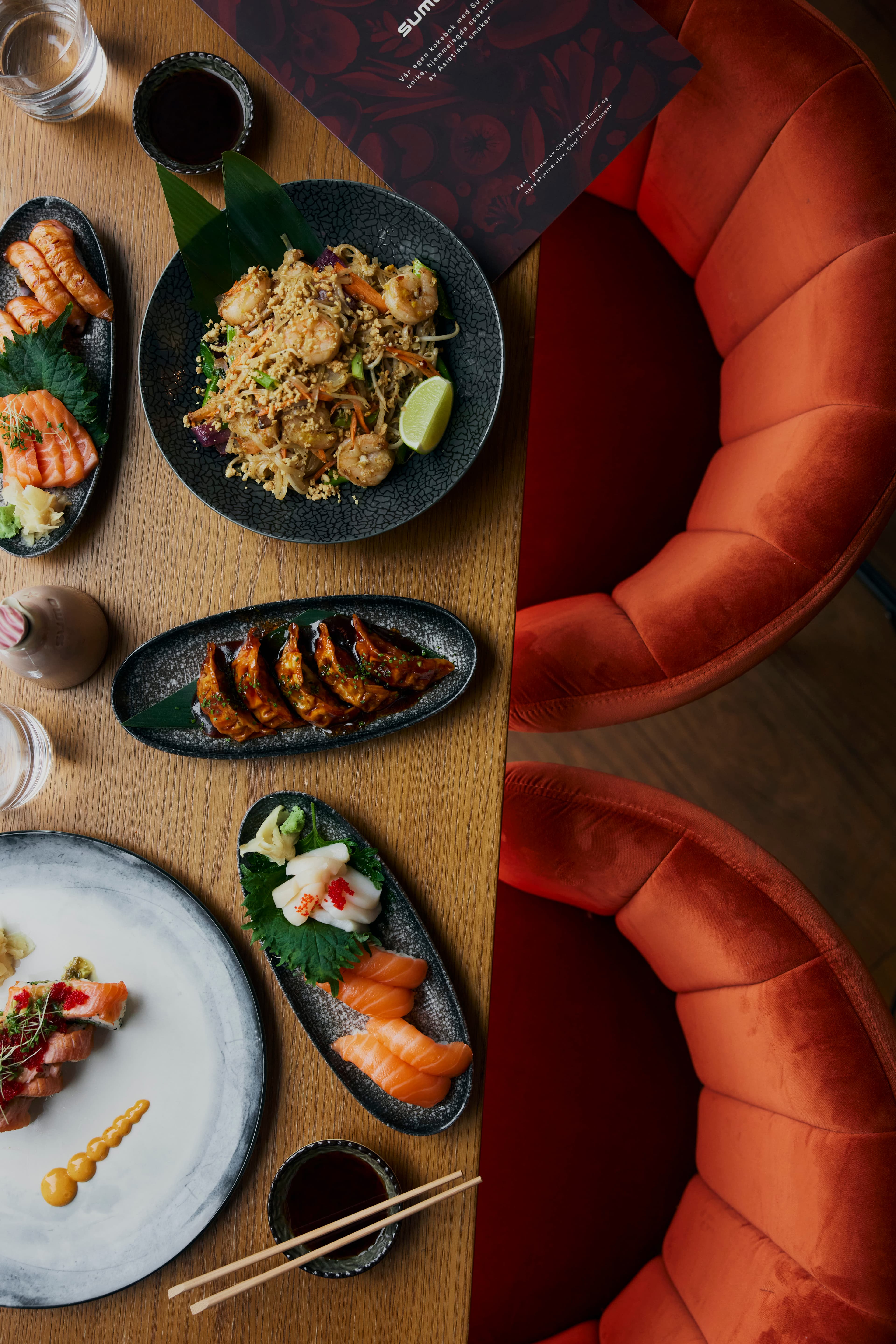
Maki, nigiri and sashimi: What's the difference?

Sunday, August 2

Sushi comes with its own little vocabulary, and it trips up the best of us. You sit down full of confidence, then someone asks whether you'd rather have maki or nigiri — and suddenly you're nodding along with absolutely no idea. Good news: it's far simpler than the menu makes it look. Three words, nothing fancy!

First, a fact to drop at the table: "sushi" doesn't actually mean raw fish. It refers to the seasoned, vinegared rice. So technically, sashimi (pure fish, no rice) isn't sushi at all!

Here's how the three break down.

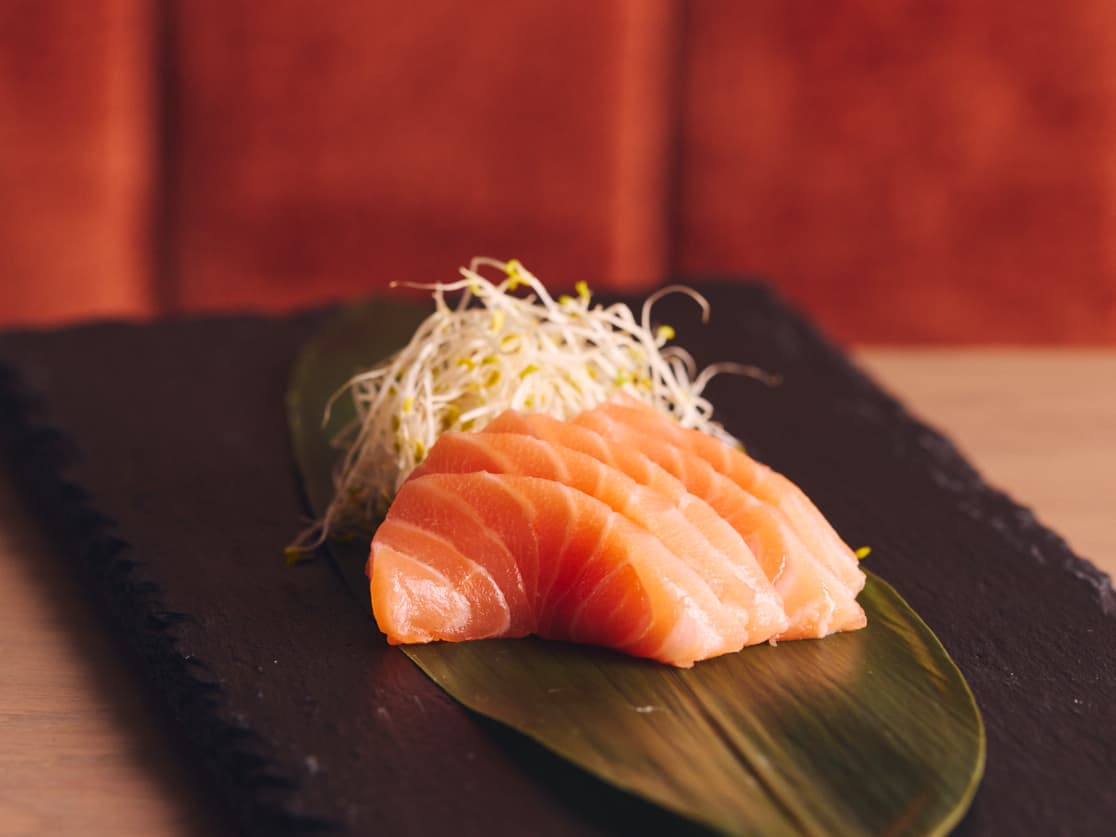
Sashimi — the purist's pick

Sashimi is the simplest thing on the menu and, in a way, the boldest. No rice, no rolling, no hiding — just beautifully sliced raw fish, served clean. Because there's nowhere to disguise a thing, sashimi lives and dies on one thing: the quality of the fish. When it's good, it's some of the finest eating there is.

This is "classic" by its very nature — you don't dress sashimi up, you let it speak. At Sumo we keep ours pure and generous: salmon, tuna, kingfish, scallop and sweet scampi, six slices a serving. If you want to taste exactly how good the fish is before anything else gets involved, start here.
Nigiri: the perfect one-bite balance

Nigiri is where the rice arrives. Picture a small, hand-pressed pillow of that vinegared rice with a slice of fish laid over the top. It's designed to be eaten in a single mouthful and most people take the whole piece in one bite (although you can use two!) and it's all about balance: the warmth and softness of the rice against the cool, clean fish.

This is where you first see the jump from classic to deluxe in our menu. A classic nigiri is exactly that slice-on-rice purity. A deluxe one takes it somewhere new. Our Flamed Salmon Nigiri, for instance, is torched and finished with teriyaki, so the edges catch and caramelise and the whole thing turns rich and a little smoky. Same humble format, dialled all the way up.

Swap that straight into the article in place of the old section. Want the full piece reposted with the change in, or is the snippet enough — and shall I do the Norwegian?

Maki: where the fun happens

Maki is the roll: rice and fillings wrapped in seaweed (or rice on the outside), then sliced into pieces. It's the most familiar sushi of all, and by far the most playful because once you're rolling, you can put almost anything inside and on top. This is where creativity, texture and a bit of showing off all come together.

Classic maki keeps it clean and recognisable. Think our California with snow crab, cucumber and avocado, the fresh Sakura with salmon, or a Spicy Tuna with a little sriracha kick. Comforting and timeless.

Deluxe maki is where we really let loose. These are loaded, topped, flamed and occasionally gilded. Our Ebi Ringo brings tempura scampi, cream cheese and apple with strawberry and crushed peanuts on top; the Golden Gate arrives crowned in actual gold leaf; and if you're feeling reckless, Dirty Tempura wears a crown of sweet-potato fries. Same humble roll at heart — just fusion turned up to full volume.

So, which one are you?

There's no wrong answer and the best plate usually has all three. Go for sashimi when you want the fish to be the whole story, nigiri when you want that warm-rice-and-cool-fish balance, and maki when you're in the mood to play. Order classic when you want the timeless version, deluxe when you want the Sumo version — the one with a bit of theatre and a lot of flavour.

Now that you know your maki from your nigiri, there's only one thing left to do. Pull up a chair, grab your chopsticks, and build the plate that's properly you.

Dine in, or order your favourites for takeaway.